Sciatica is one of the most common causes of lower back and leg pain, affecting millions of people every year. The sharp, radiating pain can make simple activities like walking, sitting, or even sleeping uncomfortable. The good news is that many patients find lasting relief without surgery. If you’re searching for sciatica treatment Atlanta residents trust, understanding your treatment options is the first step toward recovery.
In this guide, we’ll explain what causes sciatica, its symptoms, and the most effective treatment options available, including non-surgical sciatica treatment methods offered at Allhealth Medical.
What Is Sciatica?
Sciatica is not a medical condition itself—it’s a symptom caused by irritation or compression of the sciatic nerve, the largest nerve in the body. This nerve begins in the lower spine, travels through the hips and buttocks, and extends down each leg.
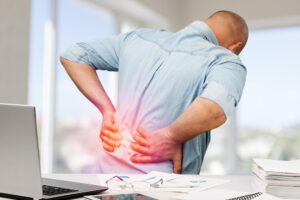
When the nerve becomes compressed or inflamed, it can cause pain that radiates from the lower back into the buttock and leg. Depending on the severity, the discomfort may range from mild aching to intense, burning pain.
Common Causes of Sciatica
Several conditions can place pressure on the sciatic nerve, including:
- Herniated or bulging discs
- Degenerative disc disease
- Spinal stenosis
- Bone spurs
- Piriformis syndrome
- Spondylolisthesis
- Spinal injuries
- Age-related spinal changes
Identifying the underlying cause is essential for creating an effective treatment plan.
Symptoms of Sciatica
Sciatica symptoms vary from person to person but commonly include:
- Sharp pain that starts in the lower back and travels down one leg
- Burning or shooting pain
- Tingling or “pins and needles” sensation
- Numbness in the leg or foot
- Muscle weakness
- Pain that worsens while sitting
- Difficulty standing or walking for long periods
Some patients experience occasional flare-ups, while others live with constant pain that interferes with daily life.
Home Remedies for Mild Sciatica Pain Relief
For mild symptoms, conservative care may help reduce discomfort.
Stay Active
While rest may feel tempting, prolonged bed rest can actually make sciatica worse. Gentle walking and light stretching often improve mobility and reduce stiffness.
Apply Heat and Ice
Cold therapy can reduce inflammation during the first 48 hours, while heat therapy helps relax tight muscles and improve blood flow.
Gentle Stretching
Stretching the hamstrings, hips, and lower back may reduce pressure on the sciatic nerve and improve flexibility.
Maintain Good Posture
Proper sitting posture and ergonomic workstations reduce stress on the lower spine, especially for people who sit for extended periods.
Although home care can provide temporary sciatica pain relief, persistent symptoms should always be evaluated by a medical professional.
Physical Therapy for Sciatica
Physical therapy is one of the most effective non-surgical sciatica treatment options.
A personalized rehabilitation program may include:
- Core strengthening exercises
- Flexibility training
- Posture correction
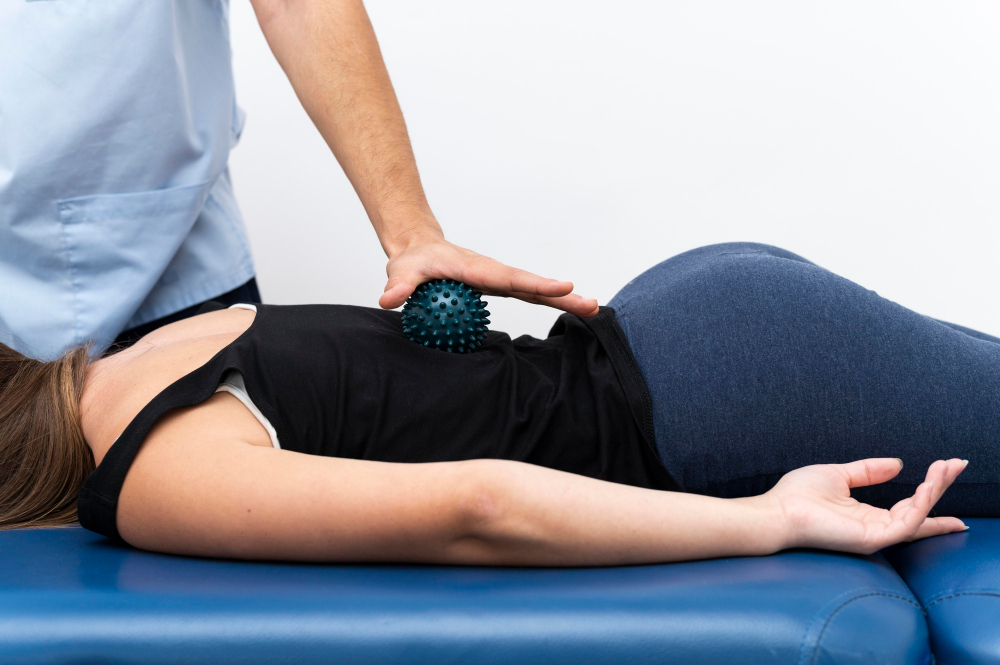
- Manual therapy
- Balance improvement
- Functional movement training
Strengthening the muscles that support the spine often reduces pressure on the sciatic nerve and helps prevent future flare-ups.
Advanced Non-Surgical Sciatica Treatment
If home care and physical therapy don’t provide adequate relief, several minimally invasive treatments can significantly reduce pain.
Epidural Steroid Injections
These image-guided injections deliver anti-inflammatory medication directly around the irritated nerve root, reducing swelling and pain.
Many patients experience relief lasting several weeks or months.
Selective Nerve Root Blocks
Targeted nerve block injections help diagnose the source of pain while also providing therapeutic relief.
Medication Management
Depending on your symptoms, your physician may recommend medications that reduce inflammation, relax muscles, or relieve nerve pain as part of a comprehensive treatment plan.
Lifestyle Modifications
Maintaining a healthy weight, improving posture, regular exercise, and avoiding prolonged sitting all help reduce stress on the spine.
When Is Surgery Necessary?
Most patients improve without surgery. However, surgery may be recommended if:
- Pain persists despite several months of conservative treatment
- Severe muscle weakness develops
- Loss of bladder or bowel control occurs (a medical emergency)
- Significant nerve compression is confirmed through imaging
- Daily activities become impossible because of pain
Fortunately, many individuals achieve excellent results through non-surgical sciatica treatment, avoiding the need for invasive procedures.
How Allhealth Medical Treats Sciatica
At Allhealth Medical, every patient receives a personalized evaluation to determine the exact cause of sciatica pain. Rather than simply masking symptoms, the medical team focuses on treating the source of nerve irritation.
Treatment plans may include:
- Comprehensive diagnostic evaluation
- Personalized medication management
- Physical rehabilitation recommendations
- Image-guided epidural steroid injections
- Nerve block procedures
- Minimally invasive pain management techniques
- Long-term strategies to prevent recurring pain
The goal is to reduce inflammation, restore mobility, improve function, and help patients return to their normal daily activities as quickly and safely as possible.
When Should You See a Pain Management Specialist?
Schedule an evaluation if you experience:
- Pain lasting longer than two to four weeks
- Severe pain that interferes with work or sleep
- Pain radiating below the knee
- Numbness or tingling in the foot
- Muscle weakness
- Difficulty walking
- Recurring sciatica episodes
Early diagnosis often leads to faster recovery and better long-term outcomes.
Find Effective Sciatica Treatment in Atlanta
Living with sciatica doesn’t have to become your new normal. Whether you’re experiencing occasional flare-ups or chronic nerve pain, early treatment can prevent your condition from worsening.
If you’re looking for trusted sciatica treatment Atlanta patients rely on, Allhealth Medical offers comprehensive evaluations and advanced non-surgical sciatica treatment options designed to provide lasting sciatica pain relief. With personalized care and minimally invasive therapies, you can regain mobility, reduce pain, and return to the activities you enjoy without unnecessary surgery.